
Training & Qualifications at LED
Did you know, at LED we run a variety of training courses to achieve recognised qualifications?
LED believe that to develop personally and professionally you need to have the right qualifications, theoretical and practical skills to enhance your career opportunities. The LED Trainers and Assessors each have a wealth of technical and vocational competence and are actively teaching in the industry.
Taking a course with us gives you the knowledge and skills to work with confidence and achieve success in your career. All LED courses lead to certified and internationally recognised qualifications.
Check out our upcoming courses below and register for your next qualification:
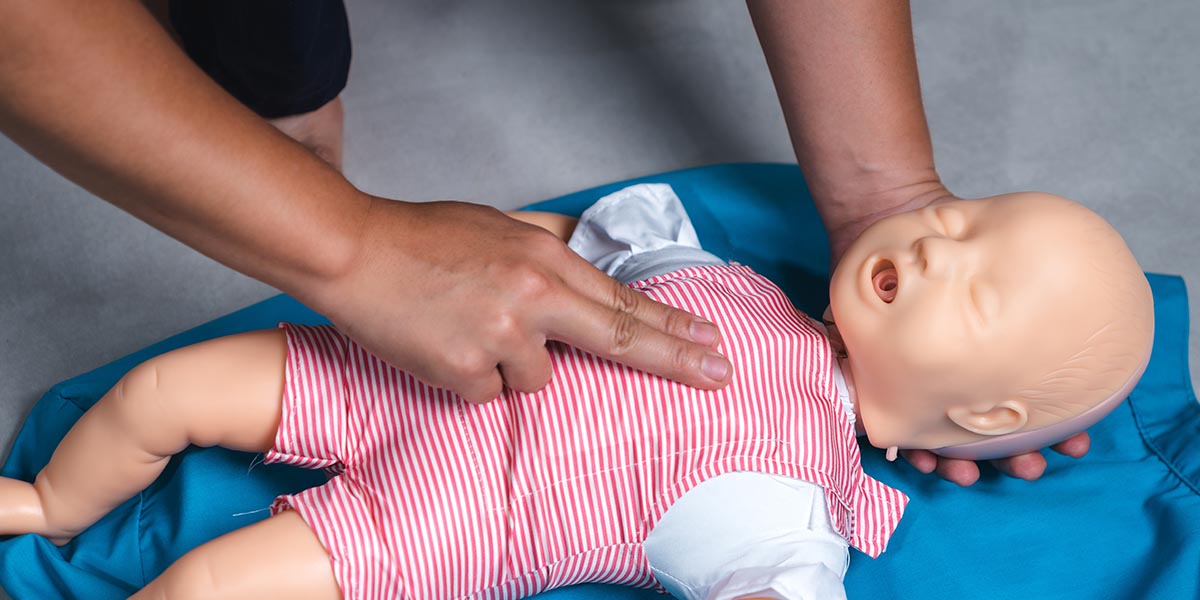
FIRST AID AT WORK, PAEDIATRIC & CPR
Whether you’re an emergency responder, a childminder, a parent or a responsible member of staff, we offer a range of qualifications to suit everyone’s needs.
RLSS NATIONAL POOL LIFEGUARD QUALIFICATION (NPLQ)
You’ll develop highly sought-after skills like self-confidence, teamwork and communication, as well as the ability to save lives.

RLSS NATIONAL POOL LIFEGUARD QUALIFICATION (NPLQ) RENEWALS
All candidates must hold a valid NPLQ qualification and complete the assessment within 28 days of its expiry date to renew.
Considering becoming a first aider?
Whether you’re an emergency responder, a childminder, a parent or a responsible member of staff, we offer a range of qualifications to suit everyone’s needs.
FIRST AID AT WORK (FAW)
The First Aid at Work (FAW) course is the most comprehensive first aid training for the workplace. It covers various CPR and first aid skills and equips first aiders with the knowledge to apply first aid to specific injuries and illnesses.
The First Aid at Work course is suitable for all industries and enables employers to meet HSE and HSENI requirements. After completing an RLSS UK FAW course, candidates receive a Level 3 First Aid at Work qualification.
RLSS UK’s First Aid at Work training is CIMSPA endorsed, which means it has been quality-assured by CIMSPA. RLSS UK is an active member of the First Aid Awarding Organisation Forum (FAAOF) whose remit is to collaborate on best practice and maintain quality to ensure the integrity and currency of regulated qualifications.
Prerequisites for a First Aid at Work Course
Candidates must be a minimum of 16-years-old at the time of taking the First Aid at Work assessment; no prior first aid knowledge is required.
Available courses:
HONITON LEISURE CENTRE
Combined First Aid At Work & Paediatric FAW, course start dates:
- Monday 8th June 2026 (3 days)
- Monday 21st September 2026 (3 days)
- Wednesday 2nd December 2026 (3 days)
- Tuesday 16th March 2027 (3 days)
The cost of the course is £200.
COURSE TRAINER: Alan Cockram, please email acockram@ledleisure.co.uk
EXMOUTH LEISURE CENTRE
Combined First Aid At Work & Paediatric FAW, course start dates:
- Monday 13th April 2026 (3 days)
- Monday 10th August 2026 (3 days)
- Monday 2nd November 2026 (3 days)
- Monday 11th January 2027 (3 days)
The cost of the course is £200.
COURSE TRAINER: Jacob Pearcey, please email jpearcey@ledleisure.co.uk
RLSS National Pool Lifeguarding Qualification (NPLQ)
- You’ll develop highly sought-after skills like self-confidence, teamwork and communication, as well as the ability to save lives
- It’s an incredibly rewarding job and leaves you feeling really positive at the end of a shift
- You get to meet people from all walks of life and make new lifelong friends
Full attendance is required along with the following pre-course requisites:
- Be 16+ years of age on the date of assessment
- Comfortable jumping / diving into deep water
- Swim 50m in no less than 60 seconds
- Swim 100m continuously on your front and 100m continuously on your back
- In deep water, tread water for 30 seconds
- Surface dive to the floor of the pool
- Climb out of the pool unaided without using a ladder / step where the pool design permits
EXMOUTH LEISURE CENTRE
Course Dates Available:
- 16/02/2026 – 21/02/2026 (assessment on 21/02/2026) with AED Qualification (£260 inclusive of course materials and assessment fees.)
- 25/05/2026 – 30/05/2026 (assessment on 30/05/2026) with AED Qualification (£270 inclusive of course materials and assessment fees.)
- 20/07//2026 – 25/07/2026 (assessment on 25/07/2026) with AED Qualification (£270 inclusive of course materials and assessment fees.)
- 26/10/2026 – 31/10/2026 (assessment on 31/10/2026) with AED Qualification (£270 inclusive of course materials and assessment fees.)
- 15/02/2027 – 20/02/2027 (assessment on 20/02/2027) with AED Qualification (£270 inclusive of course materials and assessment fees.)
COURSE TRAINER: Jacob Pearcey, please email jpearcey@ledleisure.co.uk
HONITON LEISURE CENTRE
Course Dates Available:
- 16/02/2026 – 20/02/2026 (assessment on 20/02/2026) with AED Qualification (£260 inclusive of course materials and assessment fees.)
- 13/04/2026 – 19/04/2026 (Mon, Tue, Wed, Sat & Sun with assessment on 19/04/2026) with AED Qualification (£270 inclusive of course materials and assessment fees.)
- 13/07//2026 – 17/07/2026 (assessment on 17/07/2026) with AED Qualification (£270 inclusive of course materials and assessment fees.)
- 26/10/2026 – 30/10/2026 (assessment on 30/10/2026) with AED Qualification (£270 inclusive of course materials and assessment fees.)
- 15/02/2027 – 19/02/2027 (assessment on 19/02/2027) with AED Qualification (£270 inclusive of course materials and assessment fees.)
All above courses include the integrated Automated External Defibrillation (AED) qualification. The cost of the course is £270 inclusive of course materials.
COURSE TRAINER: Alan Cockram, please email acockram@ledleisure.co.uk
RLSS National Pool Lifeguarding Qualification (NPLQ) Renewals
All candidates must hold a valid NPLQ qualification and complete the assessment within 28 days of its expiry date to renew. You must be able to provide evidence of 20 hours CPD training since your last NPLQ assessment
Full attendance is required along with the following pre-course requisites:
- Be 16+ years of age on the date of assessment
- Comfortable jumping / diving into deep water
- Swim 50m in no less than 60 seconds
- Swim 100m continuously on your front and 100m continuously on your back
- In deep water, tread water for 30 seconds
- Surface dive to the floor of the pool
- Climb out of the pool unaided without using a ladder / step where the pool design permits
The cost of the course is £80 inclusive of course materials.
EXMOUTH LEISURE CENTRE
Dates:
- 21/02/2026 9am start
- 13/06/2026 9am start
CONTACT: Jacob Pearcey, please email jpearcey@ledleisure.co.uk