
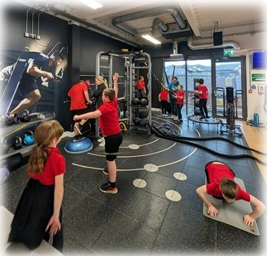
Helping East Devon’s Young People Build Confidence, Resilience and Health Through Physical Activity
Working with East Devon District Council, LED having be working working with schools to support children through physical activity. Physical activity is about far more than keeping children active. It plays a vital role in supporting mental wellbeing, building confidence, developing resilience and creating opportunities for positive social interaction. During 2025-26, LED’s Active Communities Team continued to make a significant impact across East Devon by delivering targeted physical activity programmes for children and young people who may otherwise have limited opportunities to participate.
Working primarily outside of traditional leisure centre environments, the team partnered with schools, youth clubs, charitable organisations and specialist support services to reach children from disadvantaged backgrounds and those eligible for Pupil Premium support.
Why This Work Matters
Research continues to highlight the strong connection between physical activity and positive mental health. The report notes that only 49% of children achieve the recommended average of one hour of exercise each day, with activity levels particularly low among children in Years 3 to 6. Schools and community organisations also continue to report challenges around anxiety, low confidence and social isolation among young people.
In response, Active Communities has focused on providing fun, inclusive and non-competitive activities that prioritise enjoyment, personal achievement and wellbeing.
Strong Partnerships Deliver Stronger Outcomes
A key factor in the programme’s success has been its partnership approach. Throughout the year, the team has worked alongside:
- School PE leads
- Pastoral teams
- Youth clubs
- Charitable organisations
- Heads Up Mental Health Services
- Community engagement organisations
These partnerships have helped identify children who would most benefit from additional support and enabled the delivery of targeted interventions that address both physical inactivity and emotional wellbeing.
A particularly successful collaboration has been the ongoing partnership with Heads Up, where Active Communities instructors and mental health coaches have worked side by side to help children better understand the link between physical and mental wellbeing.
Fun, Inclusive Activities for Everyone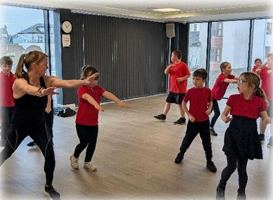
Sessions were delivered weekly within schools and community settings, helping remove barriers to participation and ensuring children felt comfortable in familiar surroundings. Activities included:
- Parachute games
- Team-building challenges
- Dodgeball and ball games
- Boccia
- New Age Curling
- Bat and racket skills
- Swim to Sea sessions
- Cooperative games
- Creative instructor-led activities
Every session was designed to be inclusive and adaptable, allowing children of all abilities to participate, have fun and experience success.
Over the year, the programme delivered an impressive 237 sessions, working with five primary schools, three secondary schools, foster families through Devon County Council, Active Champs through Active Devon, youth clubs, careers fairs and family engagement events.
To help encourage ongoing participation, schools were also offered visits to local leisure centres, participation certificates and free passes for use during school holidays.
Positive Impact Beyond Physical Activity
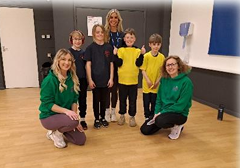 The benefits observed throughout the programme extended well beyond physical health. The Active Communities Team reported:
- Increased participation and engagement
- Improved confidence
- Stronger friendships and peer relationships
- Better communication skills
- Increased willingness to try new activities
- Greater enjoyment of physical activity
- Enhanced social interaction
Children also developed important physical skills including balance, coordination, agility, strength, movement skills and spatial awareness, helping build foundations for lifelong activity and healthier lifestyles.
Feedback from Schools and Young People
Schools involved in the programme provided overwhelmingly positive feedback.
Kings School in Ottery highlighted the impact on Year 9 girls, praising the inclusive approach taken by the team and noting how participation had positively influenced attitudes towards exercise. The swimming sessions were described as a particular highlight.
Beacon Primary School reported that the programme not only supported pupils but provided valuable learning opportunities for school staff, helping them better understand the relationship between physical activity and mental health.
Young people themselves shared honest reflections about their experiences:
“It helps me calm down and talk about my feelings.”
“It’s fun and relieved stress.”
“I like doing fun things and I don’t have to speak if I don’t want to.”
These comments demonstrate how creating safe, supportive and enjoyable environments can have a meaningful impact on children’s wellbeing.
Looking Ahead
The experiences of 2025-26 reinforce the importance of taking physical activity directly into schools, youth settings and communities to engage children who may not access traditional sports opportunities. The strongest outcomes were achieved where schools embraced partnership working, pastoral teams identified children most in need and sessions focused on fun, inclusion and wellbeing.
As the programme continues, the focus will remain on supporting children from disadvantaged communities, strengthening partnerships and ensuring more young people can experience the lifelong benefits of being active. The success of the Heads Up partnership also presents exciting opportunities for even greater integration between physical activity and mental health support in the future.